Address
304 North Cardinal St.
Dorchester Center, MA 02124
Work Hours
Monday to Friday: 7AM - 7PM
Weekend: 10AM - 5PM
Address
304 North Cardinal St.
Dorchester Center, MA 02124
Work Hours
Monday to Friday: 7AM - 7PM
Weekend: 10AM - 5PM

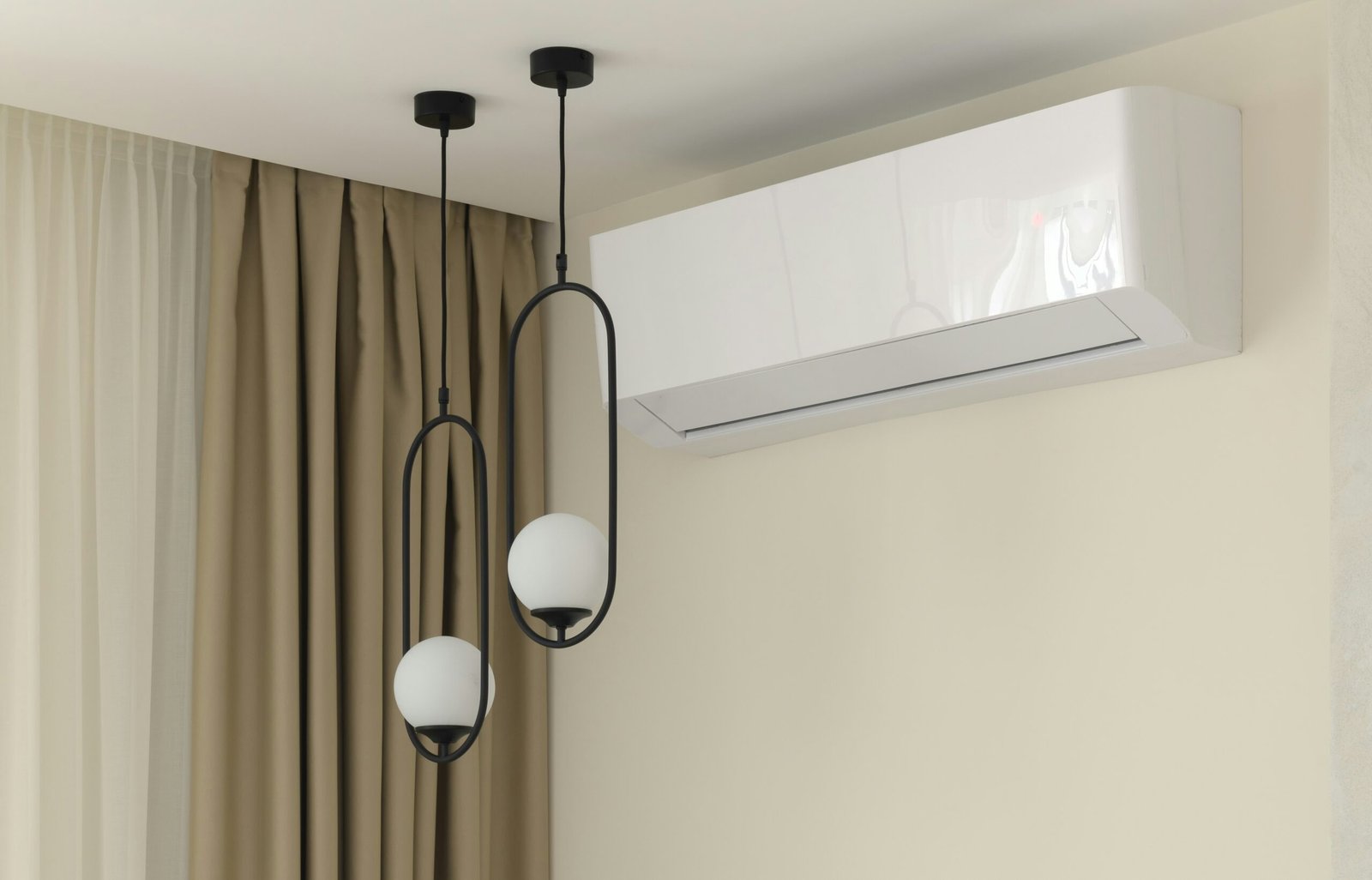
Smart thermostats can do more than let you change the temperature from your phone. When they are set up the right way, they can actually help protect your AC from the heavy strain of Houston and Richmond, TX, summers. That means fewer breakdowns, steadier comfort, and less stress on your system when the heat will not let up.
In July, many homes and small businesses run the AC almost nonstop. The hotter it gets outside, the harder your system has to work. A smart thermostat can manage that workload in a gentler, smarter way so your equipment is not pushed to the limit every single afternoon. That is what we want to walk through here, step by step, so you know how to make good choices for your space.
Every time your AC starts, it pulls a lot of power and puts stress on the compressor and motors. Big swings in temperature cause more of those hard starts. Smart thermostats can help by making smaller, gradual changes instead of big jumps that force the system to run full blast.
Helpful features include things like learning your schedule, sensing when people are home, and using your phone’s location. When these tools are set up the right way, they cut back on wasted runtime and still keep you comfortable.
Some key ways they help your system:
Many smart thermostats also track runtime history and patterns. If your system starts short cycling or running longer than usual, you can see that in the app. That early warning lets Houston and Richmond, TX homeowners schedule HVAC service before those little issues become big, expensive breakdowns.
Not every smart thermostat is ideal for a hot, humid area. Our climate creates some special needs that are good to keep in mind when you are comparing options.
Look for features that help control more than just temperature:
Smart recovery is another useful feature. This lets the thermostat bring the temperature back down slowly before you wake up or return from work. Instead of the AC running at full power for a long stretch to cool a hot house, it starts earlier and works in shorter, easier cycles.
A few more helpful tools for our area:
Not all smart thermostats work with all HVAC systems. Before anyone installs a new thermostat, it is important to match it to the equipment you already have. That includes things like:
Controls matter just as much as features. If the app or on-screen menus are confusing, people tend to give up and leave everything on one setting. Simple, clear controls make it far more likely you will actually use helpful options that protect your AC, like schedules, setbacks, and humidity control.
Because smart thermostats tie directly into your low-voltage wiring and safety controls, professional installation is important. A licensed HVAC contractor can:
Once you have the right thermostat, good settings are the next step. For many homes in Houston and Richmond, TX, a comfortable summer range is often around 75 to 78 degrees when people are home. When everyone is away, raising it a few degrees helps your system rest without letting the house get too hot.
Here is a sample weekday schedule for a family:
For a small office or shop, you might:
Fan and humidity settings also make a big difference. Using “auto” most of the time limits unnecessary fan runtime, while a “circulate” mode can help even out hot spots without constant cooling. If your system supports humidity control, setting a target humidity can keep the air feeling cooler at a slightly higher temperature, which is easier on the AC. Eco or energy saver modes can also reduce rapid cycling that wears out components, as long as they are tuned for your comfort level.
Sometimes the thermostat and AC are not talking to each other the way they should. Warning signs include:
In our hot season, a professional checkup can bring a lot of peace of mind. A trained tech can confirm that the thermostat is in a good location, verify wiring, fine-tune advanced settings, and line up what the thermostat shows with what the system is actually doing. Matching thermostat data with a full AC inspection helps catch airflow problems, low refrigerant, or other issues that a thermostat alone cannot fix.
When homeowners and business owners in Houston and Richmond, TX want dependable HVAC services, they often benefit from expert help with both thermostat setup and overall AC care. A smart thermostat works best as part of a complete plan to keep your cooling system running smoothly through the hottest months.
When your heating or cooling is struggling, Economical Mechanical Services is ready to help you get your home back to a comfortable, efficient temperature. Explore our trusted HVAC services in Houston, TX to find the right solution for your system and your budget. If you are ready to schedule service or ask a question, simply contact us and we will respond promptly.