Address
304 North Cardinal St.
Dorchester Center, MA 02124
Work Hours
Monday to Friday: 7AM - 7PM
Weekend: 10AM - 5PM
Address
304 North Cardinal St.
Dorchester Center, MA 02124
Work Hours
Monday to Friday: 7AM - 7PM
Weekend: 10AM - 5PM

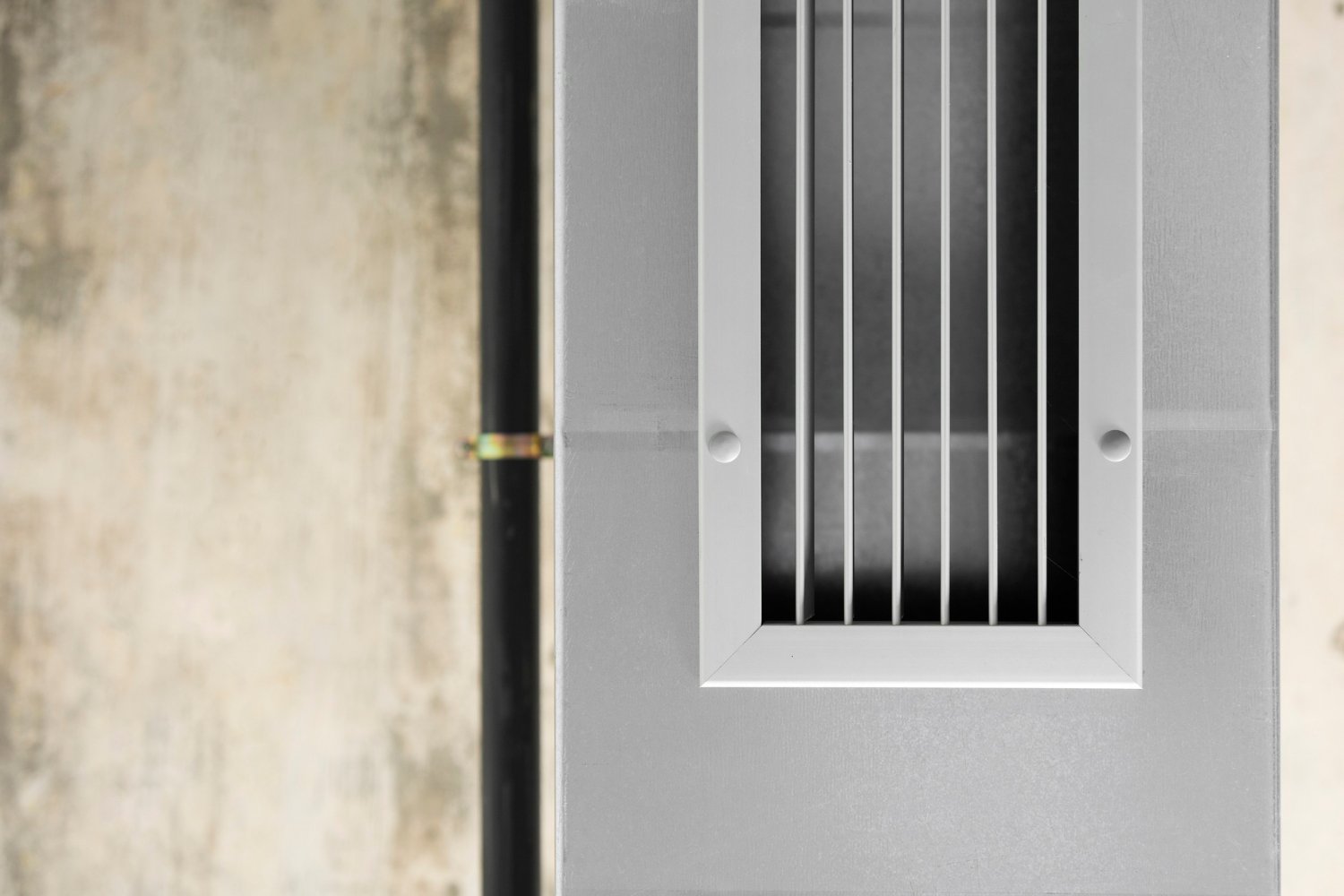
A Houston or Richmond, TX garage can feel like an oven once the afternoon sun hits. The air gets thick, the concrete feels hot, and tools, paint, and stored boxes start to suffer. Trying to work on a project, lift weights, or even do laundry out there can be miserable.
Many homeowners tell us they do not want a full traditional AC system in the garage, but they do want safer, more comfortable temperatures. The good news is you have options. By focusing on insulation, radiant barriers, smarter ventilation, and the right type of cooling, you can bring that heat down to a much more reasonable level.
At Economical Mechanical Services, we help people around Houston and Richmond, TX find that balance between comfort, energy use, and budget. Let us walk through the main pieces that make a real difference in a Texas garage.
A typical Houston garage is the perfect place for heat to pile up. You often have:
The Texas sun beats on the roof all day. That heat moves into the attic and then into the garage ceiling and walls. Concrete floors and drywall soak up that heat and release it slowly, so even when the sun goes down, the garage can still feel hot and stuffy. We call this the “heat box” effect, where every surface around you is warmer than you want.
Humidity makes things worse. That sticky air holds heat and feels heavier on your lungs. If you park a hot car or run tools or equipment, you add even more heat on top. Many garages also store:
High temperatures and trapped fumes can be tough on both your stuff and your body. Heat can warp items, break down chemicals faster, and make workouts or long projects uncomfortable or even unsafe.
Simply placing a box fan in the corner does not fix the problem. The real key is to slow down how fast heat gets in, then move hot air out and bring cooler air in. That is where insulation, radiant barriers, and ventilation come in.
Insulation is like giving your garage a set of sunglasses and a hat. It does not cool the air by itself, but it slows heat transfer so the temperature stays more stable and any cooling you add can actually keep up.
In the Houston and Richmond, TX area, these upgrades can make a big difference:
When your garage ceiling is better insulated from the attic, that late-afternoon heat does not rush in as quickly. Insulated walls stop some of the outdoor heat from baking the space. A better seal around the door bottom and sides cuts down on hot air sneaking in and cooled air slipping out.
Radiant barriers are another powerful tool. A radiant barrier in the attic above the garage reflects a portion of the sun’s radiant heat back toward the roof instead of letting it radiate into the attic and then into the garage. That can help reduce those big temperature spikes in the late afternoon and early evening.
Professional installers can look at what you already have and suggest a plan that makes sense with your long-term goals. If you are thinking about AC installation in Houston, TX for a future mini-split, getting the insulation and attic work done first can allow you to use a smaller, more efficient unit later.
Once you slow the heat from getting in, the next step is to give hot air a way to leave. Good ventilation helps with both temperature and air quality.
Passive options use natural airflow and rising hot air:
These openings let hot air escape and allow somewhat cooler outdoor air to slide in. On a still, humid day, passive vents can only do so much, so many homeowners also look at active ventilation.
Active options use powered fans to move more air:
The goal is to pull super-hot air out of the garage and replace it with outdoor air that, while still warm, is usually cooler than what was trapped inside. Better airflow also helps clear out fumes from fuel, paint, and chemicals, and can help with humidity.
One important detail is balance. You want a good path for air to come in and a clear way for air to go out. If the exhaust fan is too strong and there is no planned intake, the garage might start pulling conditioned air from your house or cause backdraft issues with nearby gas appliances. This is one reason it is smart to let an HVAC professional look at the whole setup, not just one fan.
Once insulation and ventilation are in better shape, many Houston homeowners start thinking about actual cooling for their garage. Two common options are mini-split systems and portable AC units.
A mini-split is a ductless system with:
Mini-splits are permanently installed, quiet, and usually quite efficient. They provide steady cooling and, in many models, heating as well. For a garage that is used as a workshop, home gym, studio, or regular hangout space, a mini-split offers strong, even comfort and good control over temperature.
Portable AC units are a different approach. These units sit on the floor and vent hot air out through a hose in a window or wall panel. They are:
The trade-offs are less efficiency, more noise, and bulkier equipment on the floor. Many portable units also struggle during the hottest Houston afternoons, especially in larger or poorly insulated garages.
Key differences to think about include:
If you are leaning toward AC installation in Houston, TX with a mini-split, working with a licensed HVAC contractor is important. Proper sizing, refrigerant handling, and electrical work all matter for comfort, safety, and code compliance.
There is no single right answer, so it helps to think through how you use your garage and what you want out of it. A simple way to look at it is:
Many homeowners find that combining upgrades is the real secret. A well-insulated, sealed garage with a small cooling system often feels better and costs less to run than an uninsulated garage with a bigger AC unit fighting constant heat gain.
At Economical Mechanical Services, we work with homeowners and business owners across Houston and Richmond, TX to sort through these choices. By looking at your garage, your usage, and your comfort goals, we can help you build a plan that keeps that space cooler and more usable when the Texas heat is at its peak.
When you are ready to upgrade your cooling, our team at Economical Mechanical Services is here to handle every detail of your AC installation in Houston, TX. We carefully size and install your system so it performs efficiently from day one. If you have questions or want a personalized estimate, simply contact us and we will help you plan the best solution for your home.